

What Electric Heater is The Majority Of Efficient?
Some electric heaters are more energy efficient than others. They utilize less power per hour to heat up your area, which will save you money on your energy costs over time.
They likewise come with integrated thermostats, so you can set a comfortable temperature and they'll keep the space at that level without overshooting. You can also rely on smart functions that let you track your energy use in kilowatt hours.
1. Oil-filled radiator
These use an oil inside the heater body that is warmed up by the heating aspect and launches a stable type of heat into the space. They usually produce a natural-feeling, ambient warmth and are perfect for bedrooms or office. They also run reasonably silently, making them a great option if you want to keep a quiet area warm.
They normally cost more per hour to run than other types of electric heater but this will depend upon the size and how well insulated your room is and the temperature you set them to at the thermostat. They are more pricey to heat up than other designs and are best used for a brief burst of heat or when you need to keep a room warm for longer time periods.
The physical shape of these heaters varies and they can be box-shaped or tower formed with some featuring a forced air type to speed up the flow of heat. They are light-weight and portable and typically included wheels or manages to help you move them around the room.
This type of electric radiator is among the most efficient for heat output but it can take longer than a few of the other types to heat up the room. They are best fit for smaller spaces that require to be heated up quickly and can be loud if left running for extended periods of time.
A modern, precision digital thermostat will assist you to conserve cash and energy by ensuring that your heating is just on when it is required. It will adjust your heater settings to match your preferred room temperature level and prevent unneeded getting too hot, which can considerably minimize your electrical energy expenses. For ultimate control, try to find a cordless clever thermostat like the Muller Intuitiv with Netatmo, which permits you to monitor your heating use and optimise it space by space so that you are just using (and spending for) what you require.
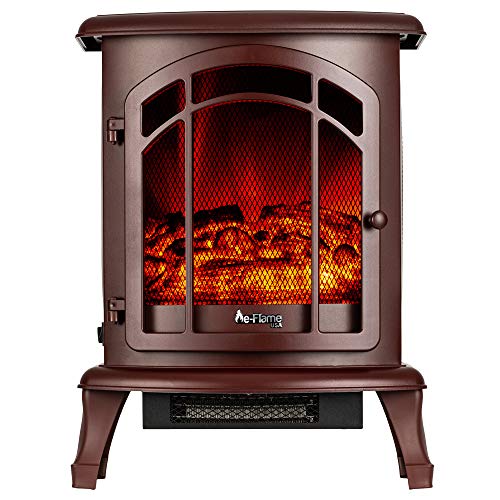
2. Convector
A convector is a heater that utilizes the procedure of natural convection to heat and distribute air. Its heating element is surrounded by aluminium panels which broaden the area that is in contact with the air to maximise its ability to soak up and retain heat. The convection system draws cold air from the bottom due to under pressure and warms it up before it streams out of the top of the system, heating the surrounding air in a cyclical fashion.
This makes them more efficient than radiators in that they produce convection heat, heating and flowing the air within an area much faster than a fan would. This suggests that they utilize less electrical power and are likewise more expense reliable than radiators.
Convectors are frequently a popular choice for office spaces and hotel lobbies due to the fact that they help to produce a smooth, modern-day look. They are likewise quieter than fan heaters and are better for lessening the blood circulation of dust and pollens in the space. They are best used when a space has big windows as they can move air upwards to counteract cold drafty locations, reduce condensation of the window glass and help in de-stratification of the air. They can be controlled individually by a built-in thermostat, in groups by a structure automation system or by a mix of both.
3. Fan
Electric space heaters are ideal if you wish to warm up a space rapidly without turning on the central heating. They work by utilizing a fan to expel hot air which then presses chillier air downwards towards the flooring, successfully heating up the entire room. Furthermore, they emit no pollutants so are a great option for anybody intending to reduce their carbon footprint.
Unlike oil-filled radiators, which are great for bed rooms and other peaceful areas, these types of electric space heaters have moving parts that can develop sound. However, with the ideal design and settings, this can be easily gotten rid of. If you desire to decrease your electrical power bill, it's finest to decide for a low-wattage design and look for one that uses energy cost savings functions.
These heaters are ideal for larger spaces and can be wall-mounted, making them a good choice for those who wish to minimize floor space. Their heating abilities are similar to hydronic baseboard models, though they do take a little bit longer to get up to temperature.
Another choice is this awesome little heater, which includes a handle and a number of drywall screws so you can install it to your wall. Its wattage is lower than other options, and it utilizes infrared innovation to heat items instead of the air.
As a perk, this model is likewise able to oscillate, meaning it can spread out heat more successfully around the room. Plus, it's little enough to suit a luggage or a knapsack and be taken on cold-weather journeys. electric heaters efficient can even link it to your home Wi-Fi, permitting you to manage it from another location. For much more efficiency, it's programmable so that you can set a timer to turn off the heater at a pre-determined time.
4. Halogen
Unlike other types of electric heaters that use a flammable fuel, halogens convert electrical energy into heat. They do this using a heating component, which consists of nichrome wire that's covered in ceramic insulators. This type of heater is ideal if you're looking for immediate heat due to the fact that it radiates heat straight in front of it, which means that any furniture or drapes in the room would need to be at least a few feet far from the heater.
As a guideline, these heaters tend to have lower heat output than other electric heating alternatives. This is because the halogen element inside the lamp/bulb only has a capability to produce so much heat, and you'll require to keep it well away from furniture or other things in order for the heater to be reliable. Generally, you'll discover that a heater's power use will be stated in watts and it's practical to bear in mind that a person watt equates to 3.41 Btu per hour.
While halogens are frequently utilized as lamps and area heaters due to the fact that they're less expensive to buy than the majority of other type of electric heaters, the fact that they consist of a variety of dangerous chemicals is a significant disadvantage. When burned, they launch harmful fumes into the air which can be harmful or even deadly in enough quantities. To prevent this, the IEC, in addition to other requirements development organisations and ecological performance programs, has developed tests to identify and limit halogen material. However, some confusion stays relating to the terminology that's frequently used and disparities exist in the test techniques that are needed to measure halogen material. Different terms like "low halogen", "non-halogenated", and "no halogen" are often applied to the exact same item, which can create confusion and confusion for market and consumers alike.
5. Thermostat
A thermostat permits you to control the temperature of a space and is important for reducing energy usage. It works by determining the heat in a space and changing the heater off or on accordingly to reach and keep your desired temperature level. This is particularly useful when used with a programmable electric wall heater, which can automatically turn on and off at specific times to enhance your energy performance.
Thermostats are offered for the majority of electric heaters and can conserve you a lot of money if used correctly. To prevent the heater from overheating, a thermostat typically has a device called a heat anticipator that shuts it off before the air in your house in fact reaches your set temperature. This can prevent overheating and save you a great deal of cash in the long run.
Many modern electric heaters included a thermostat integrated in and are created for irreversible setup in your house. These are generally far more energy efficient than heaters that burn flammable fuel and need ventilation to appropriately exhaust the fumes.
Baseboard heaters are among the most basic and least expensive forms of electric heating however they take longer to heat up a space. They are hardwired to an electrical circuit and generate heat by passing current through a heating aspect that warms the air around it through the natural convection process.
This type of heating is best matched to small spaces where the heat can be directed to a specific location. It is noisy and can seem like it's all or absolutely nothing as the temperature level can swing up and down rapidly but they are cheap to run. Some designs even have a timer to permit you to set it to turn on and off at particular times.